Luxury Inspired Salon Chairs for Professional Hair Styling Studios
Creating a refined and welcoming beauty environment begins with choosing salon chairs that combine elegance, comfort, and functionality. Luxury inspired salon chairs elevate the overall appearance of professional hair styling studios while supporting a smooth and relaxing experience for both stylists and clients. Thoughtfully designed seating solutions help transform ordinary salon interiors into stylish and inviting spaces that encourage comfort and confidence.
Elegant Designs That Enhance Salon Interiors
Luxury inspired salon chairs contribute to a polished and sophisticated atmosphere. Their refined appearance adds visual harmony to modern beauty studios and creates a memorable first impression for clients.
Key design advantages include:
- Sleek and contemporary silhouettes
• Premium looking finishes for upscale interiors
• Soft cushioning for enhanced relaxation
• Stylish upholstery textures that elevate décor
• Elegant shapes that complement professional workstations
• Modern color options that blend beautifully with salon themes
These stylish details help create a professional setting that feels welcoming, refined, and visually balanced.
Exceptional Comfort for Clients
Client comfort plays an essential role in creating positive salon experiences. Luxury inspired salon chairs are designed to provide support during long beauty and hair styling sessions.
Comfort focused features often include:
- Generously padded seating surfaces
• Supportive backrests for relaxation
• Comfortable armrests for added stability
• Adjustable positioning for personalized seating
• Smooth reclining functions for versatile services
• Spacious seating designs for improved comfort
Comfortable seating encourages clients to feel relaxed and valued throughout every appointment.
Improved Efficiency for Professional Stylists
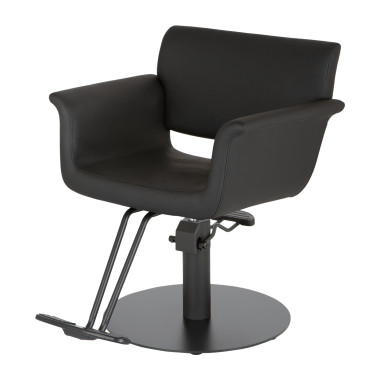
Professional hair styling studios benefit greatly from chairs that support movement and flexibility. Luxury inspired Salon Chairs help stylists perform services with ease while maintaining proper working posture.
Functional benefits include:
- Adjustable height settings for better accessibility
• Smooth swivel movement for easier styling angles
• Stable construction for dependable daily use
• Easy positioning for precision cutting and styling
• Convenient mobility that supports efficient workflow
• Ergonomic support that encourages better posture
Efficient salon furniture helps create a productive and organized working environment for beauty professionals.
Durable Construction for Long Lasting Performance
Professional salons require furniture that maintains both appearance and performance through continuous use. Luxury inspired salon chairs are often crafted with durable materials that support long term reliability.
Important durability advantages include:
- Strong structural support for everyday salon activity
• Easy to maintain surfaces for quick cleaning
• Quality padding that retains shape over time
• Reliable hydraulic systems for smooth adjustments
• Sturdy bases that provide excellent balance
• Materials designed for lasting visual appeal
Durable seating solutions help maintain a clean and professional studio appearance while reducing maintenance concerns.
Creating a Premium Salon Experience
Luxury inspired salon chairs help create an atmosphere that reflects professionalism, comfort, and modern beauty culture. Stylish seating arrangements contribute to a positive client experience while enhancing the overall identity of the salon.
A well designed salon environment can offer:
- A sophisticated and welcoming atmosphere
• Greater client satisfaction and relaxation
• Enhanced visual appeal throughout the studio
• Comfortable spaces for premium beauty services
• Improved stylist confidence and workflow efficiency
• A refined setting that encourages repeat visits
Professional hair styling studios thrive when comfort, elegance, and functionality work together. Luxury inspired salon chairs provide the perfect balance of style and performance, helping beauty spaces deliver elevated experiences that leave lasting positive impressions.