Search for:
  • Home/
  • Month: September 2026

Experienced Manufacturers Develop Attractive Vessels For Premium Fragrances

Premium fragrances benefit from vessels that combine visual elegance, dependable functionality, and thoughtful craftsmanship. Experienced manufacturers understand how shape, material, finish, and closure work together to create attractive containers that complement the character of a refined fragrance.

Elegant Shapes Create Distinctive Appeal

Carefully developed silhouettes can give fragrance vessels a sophisticated presence while supporting comfortable handling. Geometric, rounded, tall, and sculpted forms provide creative possibilities for different presentation styles.

  • Supports memorable visual presentation
  • Creates comfortable handling experiences
  • Offers diverse silhouette possibilities
  • Enhances the appearance of fragrance
  • Provides opportunities for distinctive designs

Quality Glass Supports Premium Presentation

Glass provides a clear and refined foundation for fragrance vessels, allowing the color and clarity of the contents to contribute to the overall appearance. Carefully controlled forming and cooling processes also support consistent vessel quality.

  • Offers an elegant transparent appearance
  • Highlights the fragrance color
  • Provides a refined tactile experience
  • Supports consistent vessel dimensions
  • Creates a polished foundation for decoration

Decorative Finishes Add Visual Character

Finishing techniques can transform a well-formed vessel into an appealing presentation piece. Frosted surfaces, coatings, printing, and decorative treatments provide numerous ways to create distinctive visual and tactile effects.

  • Creates smooth or textured appearances
  • Adds sophisticated surface effects
  • Supports coordinated visual themes
  • Enhances tactile appeal
  • Provides flexible decorative possibilities

Refined Closures Complete The Design

Caps, collars, and dispensing components contribute to both usability and visual balance. A thoughtfully coordinated closure can complement the vessel shape while creating a pleasant opening and dispensing experience.

  • Complements the bottle silhouette
  • Supports convenient fragrance dispensing
  • Creates a balanced overall appearance
  • Provides opportunities for material variety
  • Enhances the opening experience

Custom Development Supports Creative Concepts

Experienced manufacturers can translate creative concepts into practical vessel designs by considering dimensions, molding requirements, finishes, and component compatibility. Early technical planning helps maintain attractive aesthetics alongside reliable production.

  • Converts concepts into practical designs
  • Supports customized shapes and proportions
  • Considers manufacturing requirements early
  • Encourages consistent production quality
  • Helps coordinate multiple packaging elements

Presentation And Function Work Together

A premium fragrance vessel should look appealing while remaining practical for filling, handling, storage, and everyday use. Resources such as https://www.daxinglassbottles.com/perfume-bottles/ can provide additional information about available vessel styles and design considerations.

  • Balances appearance with functionality
  • Supports efficient filling processes
  • Encourages secure storage
  • Provides convenient user handling
  • Maintains an attractive overall presentation

Craftsmanship Builds Lasting Value

Experienced manufacturing combines design knowledge with careful production practices to create vessels that feel polished and purposeful. Consistent forming, finishing, inspection, and assembly can help ensure that each element contributes to a cohesive fragrance presentation.

Attractive fragrance vessels make every detail feel thoughtfully considered, from the silhouette and glass clarity to the finish and closure. By combining creative design with dependable craftsmanship, manufacturers can develop packaging that presents premium fragrances beautifully while supporting convenient and enjoyable use.

Exploring Boat Dimensions to Understand Pontoon Width Measurements

Understanding pontoon boat dimensions makes it easier to appreciate how width influences comfort, stability, movement, and overall usability. Among the various measurements, beam width is especially important because it represents the boat’s broadest measurement. A clear understanding of width helps boaters compare designs while considering how much usable deck space is available.

Understanding Beam Width

Beam generally refers to the widest part of a boat, measured from one outer side to the opposite side. For pontoon boats, this measurement provides a useful reference for understanding the vessel’s overall footprint.

  • Measures maximum width
  • Supports design comparisons
  • Helps estimate deck space
  • Clarifies boat proportions
  • Simplifies dimensional planning

Pontoon designs can vary in width depending on their length, layout, tube arrangement, and intended use. Many recreational designs commonly fall around the 8-foot to 8-foot-6-inch range, although wider or narrower configurations are also possible.

How Width Relates To Boat Size

Length and width work together to create the boat’s overall proportions. A longer pontoon may provide additional seating and storage, while an appropriate beam can contribute to a spacious and comfortable deck arrangement.

  • Shorter designs can use compact beams
  • Mid-sized boats offer balanced proportions
  • Larger layouts may provide wider decks
  • Passenger capacity influences layout
  • Interior space benefits from thoughtful dimensions

Rather than focusing on length alone, examining several measurements gives a more complete understanding of how a pontoon is designed.

Measuring Pontoon Width Correctly

Accurate measurements are valuable when evaluating storage, transportation, docking, or accessory requirements. The beam should be considered at the widest structural point, while deck width can be measured separately when evaluating usable interior space.

  • Identify the widest section
  • Measure from outer edge to edge
  • Check deck width separately
  • Record measurements precisely
  • Confirm fixed components
  • Compare measurements consistently

A useful reference such as https://www.hiseadock.com/how-wide-is-a-pontoon-boat/ can provide additional context when exploring common pontoon width measurements.

Why Width Matters For Comfort

A thoughtfully designed beam can create valuable room for seating, movement, storage, and recreational activities. Greater width can also contribute to a broad, stable platform, making the available deck feel open and practical.

  • More room for seating
  • Easier passenger movement
  • Flexible furniture placement
  • Improved usable deck area
  • Convenient activity space

These advantages make width an important consideration when examining different pontoon configurations.

Connecting Dimensions With Practical Use

Boat dimensions become even more meaningful when viewed alongside everyday requirements. Storage areas, trailers, docking spaces, and passageways may all require sufficient clearance around the boat’s widest point.

  • Measure storage openings
  • Check trailer dimensions
  • Allow docking clearance
  • Consider accessory placement
  • Review total boat footprint

A Clearer Way To Compare Boats

Understanding beam alongside length, deck dimensions, and layout creates a stronger foundation for comparing pontoon designs. Instead of relying on appearance alone, examining measurements helps reveal how efficiently each configuration uses available space.

  • Compare width and length
  • Review usable deck space
  • Consider passenger arrangements
  • Check dimensional consistency
  • Focus on practical requirements

With these measurements understood, pontoon dimensions become easier to interpret, compare, and appreciate. Width is more than a simple number; it is an important part of the design that shapes comfort, space, stability, and everyday functionality.

Pod Selections Provide Convenient Options For Everyday Coffee Routines

Pod selections provide convenient options for everyday coffee routines by making it easier to enjoy consistent servings with minimal preparation. Different pod formats, roast profiles, strengths, and flavor styles allow coffee drinkers to personalize their daily experience. Since pods contain measured portions of ground coffee, they can also simplify preparation and support repeatable results from one cup to the next.

Explore Different Pod Formats

Coffee pods are available in several designs, including soft paper pods and sealed capsules. Understanding these basic formats makes selection easier and helps users choose options that match their preferred brewing style and compatible equipment.

  • Soft pods provide a simple paper-based brewing format.
  • Sealed capsules offer convenient pre-portioned coffee.
  • Different shapes are designed for different brewing systems.
  • Single-serving formats simplify preparation and portion control.
  • Various pod styles create opportunities to explore new coffee experiences.

Choose Flavors That Suit Your Routine

Pod selections can make everyday coffee more enjoyable by offering different flavor characteristics. From smooth and mild profiles to richer and more intense options, having variety makes it simple to match a cup with changing preferences.

  • Mild selections can provide a gentle start to the day.
  • Medium profiles offer a balanced everyday drinking experience.
  • Richer roasts can create a fuller and deeper flavor.
  • Flavored varieties add enjoyable alternatives to traditional coffee.
  • Decaffeinated options provide flexibility for different routines.

Enjoy Consistent Portioning

Pre-measured coffee portions help simplify the brewing process. Instead of measuring loose grounds for every serving, users can select a pod and prepare a cup with fewer steps, supporting a convenient and repeatable routine.

  • Measured portions help maintain consistent serving sizes.
  • Simple preparation reduces the need for manual measuring.
  • Individual portions make daily brewing more organized.
  • Repeatable quantities support familiar cup strength.
  • Ready-to-use pods can make busy mornings more convenient.

Match Pods With Preferred Drinks

Different pod choices can complement different drinking habits. Some selections are suited to shorter, concentrated servings, while others work well for larger cups, giving users greater flexibility when planning their daily coffee moments.

  • Espresso-style pods support concentrated coffee preparations.
  • Larger-serving options can suit longer, relaxed coffee breaks.
  • Balanced profiles work well for everyday drinking.
  • Stronger selections can complement milk-based beverages.
  • Varied options encourage experimentation with different preparations.

Build an Enjoyable Coffee Collection

Keeping several pod varieties available can bring flexibility to everyday routines. A thoughtfully selected collection allows coffee preferences to change naturally while making it easy to choose a suitable option for different times and occasions.

  • Keep familiar favorites available for regular mornings.
  • Add new flavor profiles to encourage variety.
  • Organize pods by strength for quicker selection.
  • Explore different roast styles at a comfortable pace.
  • Choose compatible formats for smooth and convenient brewing.

Make Everyday Brewing More Convenient

Pod coffee combines simple preparation, portion consistency, and broad selection in a compact format. Learning about the available choices can make purchasing and brewing more straightforward. For additional information about different coffee pod formats, https://www.saneu.com/different-types-of-coffee-pods-explained/ offers useful guidance for understanding their characteristics. With suitable selections on hand, everyday coffee routines can become more convenient, flexible, enjoyable, and personalized.

Elegant Bottle Concepts Supporting Premium Product Identity

A premium fragrance deserves packaging that communicates elegance before the first spray is experienced. Luxury perfume bottle manufacturers combine creative vision, precision glasswork, and sophisticated finishing techniques to create containers that feel distinctive and memorable. An elegant bottle can establish a strong visual identity while complementing the character of the fragrance inside.

For businesses developing upscale fragrance collections, studying established manufacturing approaches can provide valuable inspiration. The https://www.nuvole-glass.com/top-6-luxury-perfume-bottle-manufacturers/ Elegant silhouettes, carefully balanced proportions, and refined surfaces can transform a simple glass container into an important part of the overall product experience.

Creating Distinctive Bottle Silhouettes

Shape is one of the first elements customers notice. Manufacturers can develop bottles with clean geometric structures, graceful curves, substantial bases, or artistic sculptural profiles. Each approach can communicate a different mood while supporting a premium positioning.

Important design considerations include:

  • Balanced proportions that create visual harmony
  • Comfortable shapes that feel pleasant in the hand
  • Distinctive profiles that create recognition
  • Carefully developed bases that provide stability
  • Smooth transitions between shoulders, necks, and bodies

Thoughtful proportions help ensure that the bottle looks attractive from different angles while maintaining practical functionality.

Enhancing Glass With Sophisticated Finishes

High-quality glass provides an excellent foundation for elegant fragrance packaging. Clear, tinted, frosted, and translucent effects can create different visual impressions while allowing designers to express the personality of a fragrance. Decorative treatments can further enrich the presentation. Surface polishing, frosting, coating, printing, engraving, and metallic effects can introduce subtle visual details. These techniques allow manufacturers to develop packaging that feels carefully considered without overwhelming the overall design.

Combining Closures With Bottle Design

A sophisticated bottle concept should consider the closure as part of the complete presentation. Caps can complement the bottle through coordinated shapes, textures, materials, and finishes. When the cap and glass body work together visually, the entire package can appear more cohesive and refined. The dispensing system also contributes to the experience. A smooth spray action and well-fitted components can reinforce the impression of quality while supporting convenient everyday use.

Supporting Memorable Product Identity

Premium fragrance packaging can become an important visual expression of a product’s identity. Consistent designs elements help create recognition across different fragrances, sizes, and collections. Manufacturers with advanced development capabilities can translate creative concepts into practical bottle designs while maintaining attention to detail and production consistency. Elegant bottle concepts therefore combine artistic appeal with functional thinking. Through refined silhouettes, quality glass, coordinated closures, and carefully selected finishes, luxury perfume bottles can create an inviting presentation that feels sophisticated, distinctive, and enduring.

Key Wiring Principles For Reliable Relay Applications

Relay systems provide a practical way to control electrical loads while keeping control circuits organized and efficient. Understanding terminal functions and connection paths is especially useful when working with common five-terminal relay designs. A clear https://lsp.global/understand-5-pin-relay-how-it-works-wiring/ approach helps users understand how switching contacts operate and how each connection contributes to dependable circuit performance.

Understanding The Five-Terminal Relay Layout

A five-pin relay commonly includes two terminals for the internal coil and three terminals associated with the switching contacts. These contact terminals typically represent a common connection, a normally open connection, and a normally closed connection. Recognizing these functions makes it easier to create a suitable wiring arrangement for different applications.

Key points include:

  • Coil terminals provide the electrical signal that activates the relay.
  • The common terminal serves as the primary switching connection.
  • The normally open contact connects when the relay is energized.
  • The normally closed contact remains connected until the relay activates.
  • Correct terminal identification supports consistent circuit operation.

Following A Clear Wiring Sequence

A reliable installation begins by identifying every terminal before making connections. The control side should be separated from the load side during planning so the intended switching action remains easy to understand. Checking the relay markings and circuit requirements can also help prevent unnecessary wiring changes.

When preparing a connection:

  • Confirm the required coil voltage.
  • Identify common, normally open, and normally closed terminals.
  • Determine whether the load should operate during relay activation.
  • Select suitable wire sizes for the intended current.
  • Keep connections secure and properly insulated.

Using The Switching Contacts Effectively

The flexibility of a five-pin relay comes from its changeover contact arrangement. A circuit can be designed to supply power to one path when the relay is inactive and transfer that connection to another path when the coil receives power. This makes the configuration useful for control systems requiring straightforward switching between two circuit states.

The normally open path is suitable when a load should activate after the relay receives its control signal. The normally closed path can support applications where a circuit should remain connected until the relay changes state.

Improving Reliability Through Good Practices

Good wiring practices contribute to stable relay operation and easier maintenance. Connections should remain neat, firmly secured, and appropriately insulated. Clear labeling can also make future inspection more efficient, particularly when several relays are used within one control system.

Before powering a completed circuit, review the terminal arrangement, coil specifications, load requirements, and switching sequence. A careful inspection provides a simple way to confirm that the relay will respond as intended.

Building Confidence With Practical Relay Wiring

Five-terminal relays offer a straightforward method for managing electrical switching functions. By understanding coil connections, contact positions, current requirements, and wiring sequences, users can create organized circuits with dependable switching performance. Careful planning and consistent installation practices make relay applications easier to understand, maintain, and expand.

Investment Casting Suppliers Supporting Precision Metal Component Manufacturing

Precision metal components depend on careful control across design, tooling, casting, finishing, and inspection. Investment casting suppliers support this process by combining near-net-shape production with attention to dimensional detail, material selection, surface quality, and repeatability. The process uses patterns and ceramic shells to reproduce complex geometries while reducing the need for extensive machining.

Building a Strong Precision Manufacturing Foundation

A capable supplier can contribute valuable manufacturing guidance from the earliest stages of a project. By reviewing component geometry, tolerance requirements, wall thickness, and machining allowances, suppliers can help create practical casting plans.

Key areas of support include:

  • Reviewing designs for casting suitability
  • Recommending practical dimensional requirements
  • Planning suitable material grades
  • Identifying critical surfaces and functional features
  • Establishing appropriate machining allowances
  • Supporting efficient tooling development

This early collaboration helps align the casting process with the intended performance of the finished component.

Supporting Complex Component Geometry

Investment casting is well suited to components featuring intricate details, curves, thin sections, internal passages, and other shapes that can be challenging to produce through conventional methods. Ceramic shell construction allows detailed patterns to be reproduced with strong dimensional control.

Suppliers can support complex designs by:

  • Preserving fine surface details
  • Producing near-net-shape configurations
  • Reducing unnecessary material removal
  • Supporting compact and lightweight component designs
  • Accommodating integrated features where practical
  • Maintaining consistency across repeated production

These capabilities can simplify component architecture while supporting reliable manufacturing outcomes.

Improving Dimensional Consistency

Precision manufacturing requires dependable dimensions from one component to the next. Investment casting suppliers can contribute through controlled pattern production, process monitoring, suitable shell preparation, careful pouring, and systematic inspection.

Important quality-focused practices include:

  • Monitoring pattern dimensions
  • Controlling shell preparation
  • Maintaining consistent process conditions
  • Checking critical dimensions
  • Reviewing surface characteristics
  • Applying suitable finishing operations
  • Documenting inspection results

Consistent process control provides a strong foundation for assemblies where components must fit accurately and perform reliably.

Connecting Casting With Finishing

Many precision components combine as-cast surfaces with selected machined features. Suppliers can plan these requirements together so that critical bores, threads, sealing areas, and mating surfaces receive the appropriate finishing treatment.

Benefits can include:

  • Reduced machining requirements
  • Efficient use of material
  • Better control of critical interfaces
  • Clearer production planning
  • Smoother movement from casting to finishing

Supporting Efficient Production

For projects seeking dependable component manufacturing, selecting experienced https://www.bessercast.com/investment-casting-suppliers/ can provide useful support throughout the production cycle. Supplier involvement can help coordinate tooling, materials, casting, finishing, inspection, and delivery requirements.

A strong supplier relationship can contribute to:

  • Better design communication
  • Consistent production planning
  • Reliable component quality
  • Efficient resource utilization
  • Scalable manufacturing workflows
  • Long-term process improvement

Enabling Reliable Metal Components

Investment casting suppliers play an important role in precision metal component manufacturing by connecting engineering requirements with controlled production practices. Their support can help transform detailed designs into accurate, repeatable, and functional components while maintaining efficient workflows. With careful planning, consistent process control, and focused quality assurance, investment casting can provide a practical foundation for producing complex metal components with dependable performance and manufacturing consistency.

Key Factors When Selecting Tin Can Sealing Equipment

Selecting suitable tin can sealing equipment is an important step toward creating smooth, reliable, and efficient packaging operations. The right equipment can support consistent sealing quality while helping production teams maintain organized workflows. Careful evaluation of machine capabilities, operating requirements, and future production goals makes the selection process more effective. A well-matched sealing solution can also contribute to dependable packaging performance and improved productivity.

Production Capacity And Speed

Production volume should be one of the first considerations when evaluating sealing equipment.

  • Match output capacity with current production requirements.
  • Consider equipment that can support steady operating speeds.
  • Allow room for increased production volumes as demand grows.
  • Look for consistent performance during extended operating periods.
  • Select suitable automation levels for the intended workflow.

Can Compatibility And Sealing Quality

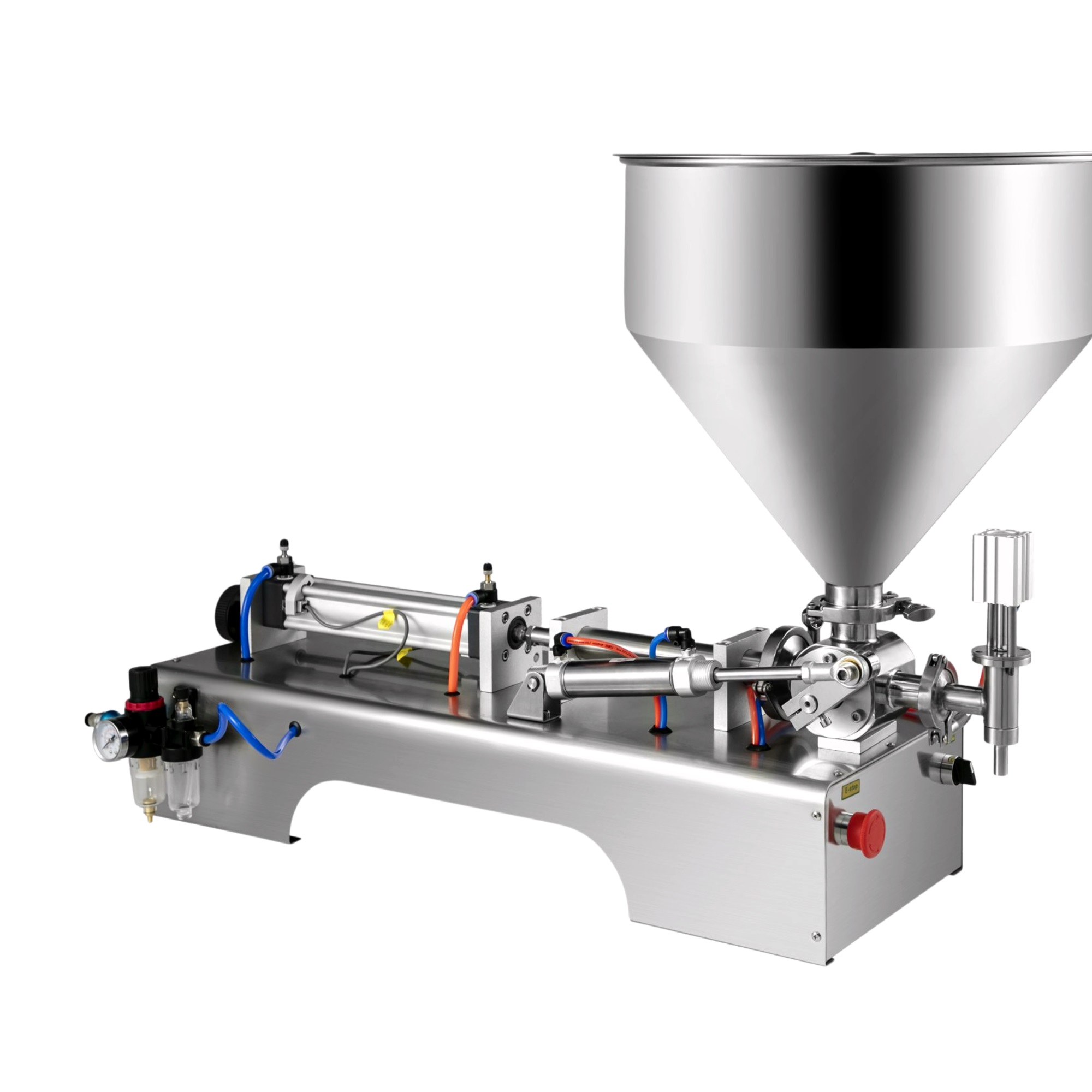
Filling Machines

Equipment should work effectively with the can sizes and formats used in production.

  • Check compatibility with different can dimensions.
  • Consider the range of lid configurations supported.
  • Evaluate the consistency of sealing pressure.
  • Look for accurate lid positioning capabilities.
  • Prioritize equipment designed for uniform seam formation.
  • Reliable sealing can support product protection and presentation.

For additional guidance when reviewing suitable equipment options, https://www.levapack.com/tin-can-sealing-machine-for-your-production/ can serve as a useful reference during the selection process.

Automation And Operational Convenience

Convenient operation can make equipment easier to integrate into regular production activities.

  • Consider automatic feeding and sealing functions where appropriate.
  • Look for straightforward control arrangements.
  • Evaluate adjustment features for different production requirements.
  • Choose equipment that supports efficient operator interaction.
  • Consider designs that simplify routine production changes.
  • Smooth operation can help maintain consistent workflow performance.

Construction And Maintenance Features

Durable construction and accessible components can support dependable long-term operation.

  • Examine the overall build quality of the equipment.
  • Consider materials suitable for regular industrial use.
  • Check whether important components are easily accessible.
  • Evaluate cleaning and maintenance convenience.
  • Look for designs that simplify routine inspections.
  • Consider replacement-part accessibility when planning long-term use.
  • Good maintenance support can help sustain equipment performance.

Safety, Flexibility And Future Growth

A well-rounded selection should also consider workplace convenience and future production plans.

  • Look for practical safety features that support confident operation.
  • Consider equipment with adaptable operating settings.
  • Evaluate how easily the machine can fit into existing workflows.
  • Choose solutions that provide useful production flexibility.
  • Consider future capacity requirements before making a purchase.
  • Review energy-efficient operating characteristics where available.
  • Select equipment that can support evolving packaging needs.

Making A Confident Selection

The ideal tin can sealing equipment should provide a balanced combination of capacity, compatibility, sealing consistency, automation, durability, maintenance convenience, safety, and flexibility. Reviewing these factors together allows production teams to choose equipment that aligns with both present requirements and future objectives. A thoughtful selection can encourage reliable packaging performance, smoother workflows, and greater confidence throughout ongoing production operations.