
Accurate Valve Testing Encourages Better Automation System Reliability
- Automation systems depend on consistent performance, precise operations, and dependable components to maintain smooth industrial processes. Valves play an essential role in controlling fluid movement, regulating pressure, and supporting operational efficiency. Regular and accurate valve testing helps identify performance improvements, strengthen system reliability, and create a more productive working environment. By prioritizing testing and maintenance, industries can achieve greater operational confidence and long-term equipment performance.
Importance of Accurate Valve Testing
Accurate valve testing provides valuable insights into component performance and helps ensure that every valve operates according to its intended function. Consistent testing also supports better process control and reduces unexpected operational interruptions.
-
- Confirms reliable valve operation under different working conditions.
- Helps identify minor performance changes before they affect operations.
- Supports consistent pressure and flow regulation.
- Improves equipment dependability and operational consistency.
- Encourages better maintenance planning and equipment management.
Improving Automation System Performance
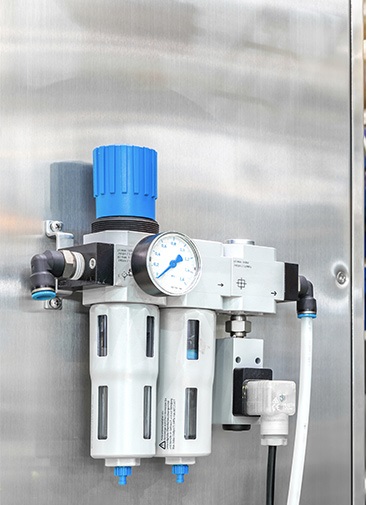
Reliable automation depends on the smooth coordination of multiple components. Properly tested valves contribute to accurate control responses, allowing automated processes to maintain stable operating conditions and achieve improved productivity.
-
- Supports precise control of fluid movement.
- Promotes consistent responses during automated operations.
- Helps maintain balanced system pressure.
- Encourages smooth coordination between connected components.
- Contributes to improved overall process efficiency.
Supporting Preventive Maintenance
Preventive maintenance becomes more effective when valve testing is included in regular equipment inspections. Monitoring valve conditions helps maintenance teams maintain dependable operations while creating opportunities for continuous performance improvements.
-
- Encourages early identification of potential component issues.
- Helps maintain the condition of internal valve components.
- Supports effective inspection and maintenance schedules.
- Improves equipment longevity through timely attention.
- Promotes consistent performance across automation systems.
Enhancing Operational Safety and Stability
Well-maintained valves contribute to stable operating environments by supporting controlled fluid movement and dependable system responses. Regular performance assessments also help create greater confidence in automated processes and equipment functionality.
-
- Helps maintain dependable flow control.
- Supports stable pressure management.
- Encourages consistent equipment operation.
- Reduces the possibility of unexpected process interruptions.
- Promotes better coordination between mechanical and electrical components.
Recognizing Valve Performance Indicators
Understanding valve operating conditions provides valuable opportunities to improve maintenance decisions. Observing performance indicators and addressing minor irregularities early can contribute to better equipment care and more reliable automation operations.
Common indicators worth monitoring include:
-
- Unusual sounds during valve activation.
- Changes in opening and closing response times.
- Inconsistent fluid movement or pressure variations.
- Visible leakage around valve connections.
- Changes in solenoid coil temperature.
A better understanding of https://www.vincervalve.com/solenoid-valve-failure-symptoms/ can also support effective equipment evaluation and help maintenance professionals recognize opportunities to improve component performance.
Long-Term Benefits of Reliable Valve Testing
Consistent testing creates a strong foundation for sustainable automation performance. When equipment receives appropriate attention, industries can improve operational planning, maintain productivity, and achieve greater value from their installed systems.
-
- Improves confidence in automated process operations.
- Supports long-term equipment dependability.
- Encourages efficient resource utilization.
- Helps maintain consistent production quality.
- Strengthens overall maintenance effectiveness.
Conclusion
Accurate valve testing is an important contributor to dependable automation systems and improved industrial performance. By combining regular inspections, preventive maintenance, and performance monitoring, industries can maintain efficient operations and encourage greater equipment longevity. Reliable valve functionality also supports precise process control, consistent productivity, and improved operational stability. Making valve testing an essential part of equipment management helps build a stronger foundation for long-term automation system reliability and sustainable industrial growth.