
Evolution of First Aid Kits into Advanced Emergency Systems
First aid kits have transformed significantly over the years, moving beyond basic supplies to become highly organized emergency systems designed for rapid response and improved care. Early kits mainly contained simple bandages, antiseptic liquids, and cotton materials intended for treating minor cuts and bruises. Modern emergency kits now support a much wider range of medical situations with advanced tools, better organization, and improved accessibility.
From Basic Supplies to Comprehensive Care
Traditional first aid kits were designed to handle small injuries at home, during travel, or in workplaces. While effective for simple treatment, they lacked the equipment needed for severe emergencies. As safety awareness increased, emergency preparedness also evolved.
Modern systems now include:
- Sterile wound dressings
- Compression bandages
- Trauma pads
- Protective gloves
- Airway support tools
- Burn treatment materials
- Bleeding control equipment
- Emergency blankets
These additions allow users to respond more effectively during critical situations while improving safety and confidence.
Improved Organization and Accessibility
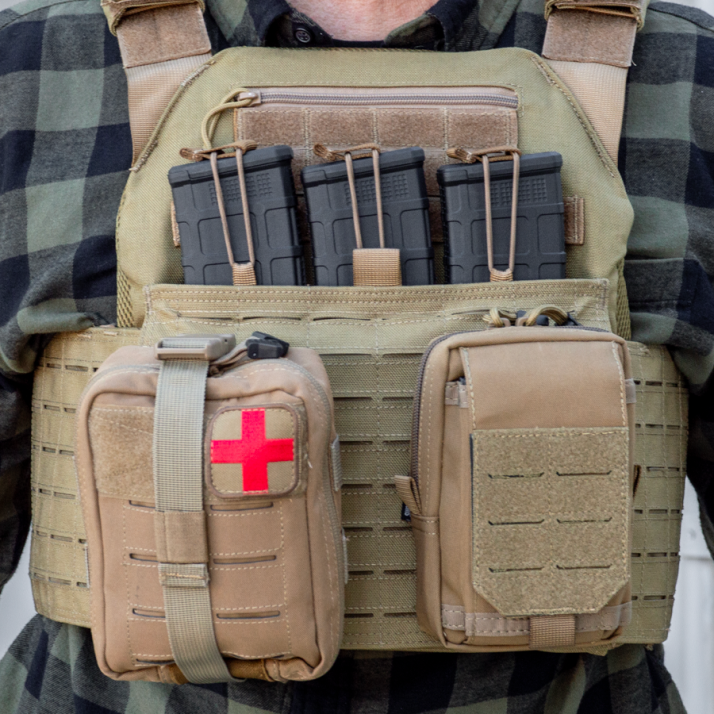
One of the biggest advancements in emergency systems is the way supplies are organized. Older kits often contained loosely arranged items, afak meaning making it difficult to locate tools quickly during stressful moments. Advanced systems now focus heavily on accessibility and efficiency.
Key improvements include:
- Clearly labeled compartments
- Color-coded storage sections
- Quick-access pouches
- Compact and lightweight designs
- Water-resistant protective cases
- Durable storage materials
Better organization reduces response time and helps users remain calm while providing assistance.
Integration of Trauma Response Features
The evolution of emergency kits introduced specialized trauma care components that support more serious injury management. These systems are now commonly designed to address heavy bleeding, fractures, burns, and shock.
Important trauma-focused features may include:
- Rapid bleeding control supplies
- Stabilization wraps
- Reinforced protective shears
- Advanced wound closure materials
- Cooling burn dressings
- Flexible splinting tools
These additions improve readiness during accidents and unexpected emergencies while supporting safer care until professional help arrives.
Enhanced Portability for Multiple Environments
Modern emergency systems are designed for flexibility and portability. Instead of remaining stored in a single cabinet, many kits are now suitable for transport across different environments and activities.
Portable features often include:
- Adjustable carrying straps
- Lightweight compact designs
- Modular storage sections
- Easy attachment options
- Shock-resistant outer shells
This evolution allows emergency preparedness to become more practical for everyday use, outdoor activities, workplaces, and travel situations.
Focus on Preparedness and Confidence
Advanced emergency systems are not only about equipment but also about improving preparedness. Modern kits are designed to help individuals react quickly and confidently during stressful situations.
Benefits of modern emergency systems include:
- Faster response during injuries
- Better protection for caregivers
- Improved hygiene standards
- Greater treatment efficiency
- Increased readiness for emergencies
- Better support during critical moments
These systems encourage a proactive approach to safety and help reduce confusion during urgent situations.
A Smarter Approach to Emergency Readiness
The transformation of first aid kits into advanced emergency systems reflects growing awareness about personal safety and emergency preparedness. Modern kits combine organization, portability, trauma support, and practical design to create reliable solutions for a wide variety of situations. As emergency response needs continue to evolve, advanced systems provide stronger support, greater convenience, and improved confidence for individuals seeking dependable preparedness tools.
